Category: Economy

  • 24 New Technology Trends in 2025

    24 New Technology Trends in 2025

    Technology continues to reshape the world around us. From artificial intelligence to quantum computing, innovation drives change at a pace faster than we can predict. By 2025, weโ€™ll see developments that go beyond incremental upgrades, as groundbreaking advancements redefine industries and the way we live.

    This blog explores 24 emerging technology trends expected to dominate 2025, showcasing their implications for businesses, individuals, and society as a whole. Get ready to uncover what the future holds for the next generation of tech.


    Key Technology Trends Expected in 2025

    Artificial Intelligence (AI) and Machine Learning (ML)

    Enhanced AI-Driven Automation

    AI-powered automation continues to refine how tasks are completed. By 2025, industries like manufacturing, logistics, and customer service will benefit from more efficient AI tools, helping businesses reduce costs while boosting productivity.

    Think self-checkout counters with fewer errors or drones delivering packages seamlessly.

    AI in Healthcare Diagnostics

    Healthcare will see AI tools diagnosing diseases with remarkable precision. These systems will analyze comprehensive datasets, like medical histories and imaging scans, making earlier diagnoses possible. For example, cancer detection could see higher survival rates with advanced diagnostic AI.

    Personalized AI Experiences

    AI will go further in 2025 to deliver ultra-personalized experiences. Whether itโ€™s virtual assistants tailored exactly to your work style or e-commerce platforms that predict your preferences, personalization will become pivotal across industries.

    Internet of Things (IoT)

    Smart Homes and Cities

    The IoT ecosystem expands as more devices connect seamlessly. Smart cities equipped with IoT solutions will optimize traffic, reduce energy waste, and improve public services. Likewise, smart homes will feature IoT-enabled appliances that make life more convenient and efficient.

    Industrial IoT Applications

    Industrial IoT (IIoT) holds immense promise in 2025 for increasing productivity in sectors like manufacturing. Factories will employ IoT sensors and smart machinery to monitor productivity, reduce downtime, and ensure predictive maintenance.

    5G and Advanced Connectivity

    Enhanced Mobile Experiences

    The adoption of 5G networks will unlock high-speed, low-latency mobile experiences. Seamless streaming, lag-free gaming, and faster file transfers will soon become the norm.

    Remote Work and Collaboration

    5G will make remote work even more efficient as virtual meetings and file sharing become smoother. Organizations will extend their global reach thanks to higher connectivity capabilities.

    Blockchain Technology

    Supply Chain Transparency

    Blockchain will revolutionize supply chain visibility. Industries like food, pharmaceuticals, and fashion will use blockchain for tracking goods from production to point of sale, ensuring authenticity and reducing fraud.

    Digital Identity and Security

    Blockchain will advance secure authentication methods for transactions, identity verification, and sensitive data protection. Expect decentralized IDs to gain traction for both personal and enterprise use.

    Extended Reality (XR): Augmented, Virtual, and Mixed Reality

    Immersive Entertainment and Gaming

    Virtual and augmented reality will redefine entertainment. XR devices will offer more realistic gaming experiences, while concerts and events will become more immersive via virtual attendance options.

    Training and Education

    XR technologies will innovate in professional training and education by simulating real-world environments. From flight simulations to medical training via virtual anatomy explorations, XR will bridge skill gaps effectively.

    Quantum Computing

    Advancements in Computational Power

    Quantum computing will take a leap forward in solving complex problems faster than traditional computers could manage. Sectors like finance, healthcare, and climate modeling will thrive through quantum-driven solutions.

    Cybersecurity Applications

    Quantum encryption will bolster cybersecurity systems, making sensitive data almost impossible to breach. Enterprises and governments will adopt quantum-safe technologies to protect critical digital infrastructures.

    Biotechnology and Genetic Engineering

    Personalized Medicine

    Biotechnology will make strides in personalized healthcare, where treatments are specifically tailored to an individualโ€™s genetic makeup. By 2025, treatments for certain diseases could be custom-designed based on your DNA.

    Agricultural Advancements

    Genetic engineering will enhance crop yields and make them more resistant to climate change. CRISPR technology will play a pivotal role in solving global food security challenges.

    Sustainable Technology

    Renewable Energy Solutions

    Sustainable energy technologies, like solar panels and wind turbines, will continue to improve in efficiency and affordability. Innovations in energy storage solutions will make renewable energy viable for longer periods.

    Waste Management Innovations

    Expect breakthroughs in tech-enabled waste recycling and water purification processes. Smart waste management systems will track and optimize recycling and minimize environmental impact.


    People Also Ask

    What is the biggest technology trend in 2025?

    Artificial intelligence and its enhanced integration across industries are expected to dominate as the most influential trend in 2025.

    How will 5G improve businesses in 2025?

    By offering faster communication, seamless mobile connectivity, and lag-free collaboration systems, 5G will empower businesses to operate more flexibly and efficiently.

    Are blockchain-based solutions reliable?

    Yes, blockchain-based solutions are both reliable and secure due to their decentralized and tamper-proof nature, particularly in areas like supply chain transparency and digital identity.


    FAQ Section

    What industries will benefit the most from AI advancements in 2025?

    Healthcare, finance, manufacturing, and customer service industries will gain significantly from the efficiencies AI provides.

    How will quantum computing impact cybersecurity?

    Quantum computing will introduce quantum encryption, which ensures nearly unbreakable security, essential for safeguarding critical data.

    Is extended reality (XR) affordable for businesses?

    By 2025, XR technology will become more accessible and affordable for businesses ranging from education to retail due to advancements in devices and software.


    Looking Ahead to the Future of Technology

    The year 2025 promises groundbreaking advancements that will revolutionize industries and everyday life. From AI transforming healthcare to quantum computing redefining data security, the constant evolution of technology fuels limitless possibilities for innovation.

    Want to stay ahead of these technology trends? Begin planning for your future today and become an early adopter. By doing so, your organization can leverage these trends to create competitive advantages while contributing to systemic societal growth.
  • Maybank Boosts Johor-Singapore SEZ with $545 Million Investments

    Maybank Boosts Johor-Singapore SEZ with $545 Million Investments

    A Major Step for Malaysia-Singapore Economic Growth

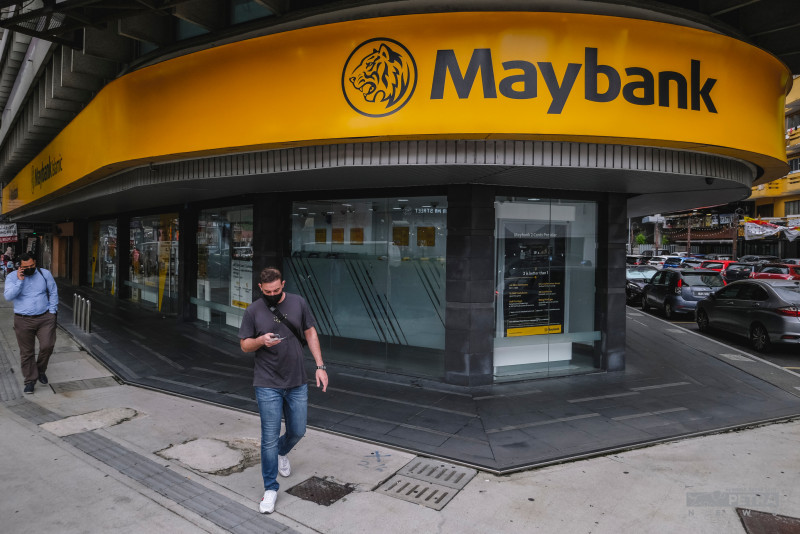
    Exciting news for businesses and investors! Maybank, Malaysiaโ€™s leading financial institution, has successfully facilitated $545 million (around RM2.5 billion) in investments into the Johor-Singapore Special Economic Zone (SEZ). This move is set to strengthen economic ties between Malaysia and Singapore, creating new opportunities for trade, jobs, and infrastructure development.

    Why This Matters

    The Johor-Singapore SEZ is a game-changer for both countries. Located just across the causeway from Singapore, Johor is already a hotspot for business growth. With Maybankโ€™s support, this SEZ is expected to:

    • Boost cross-border tradeย between Malaysia and Singapore
    • Attract more foreign investmentsย into Johor
    • Create thousands of jobsย in key sectors like manufacturing, tech, and logistics
    • Enhance infrastructureย with better transport and digital connectivity

    Maybankโ€™s Key Role in the SEZ

    As one of Southeast Asiaโ€™s top banks, Maybank has been instrumental in securing these investments. Their efforts include:

    • Providing financial solutionsย for businesses entering the SEZ
    • Supporting SMEs and large corporationsย with funding and advisory services
    • Encouraging sustainable investmentsย in green energy and smart technologies

    This initiative aligns with Malaysiaโ€™s goal to become a high-income nation by 2025, with Johor playing a crucial role.

    Whatโ€™s Next for the Johor-Singapore SEZ?

    With $545 million already secured, the SEZ is expected to see rapid development in the coming years. Key projects may include:

    • New industrial parksย for tech and manufacturing firms
    • Upgraded transport links, including faster rail and road networks
    • Smart city developmentsย with digital infrastructure

    Singaporean investors are particularly interested due to Johorโ€™s lower costs compared to Singapore, while still offering easy access to a booming market.

    How Businesses Can Benefit

    If youโ€™re a business owner or investor, now is the time to explore opportunities in the Johor-Singapore SEZ. Benefits include:

    โœ… Tax incentives for companies setting up operations
    โœ… Easier cross-border transactions with Maybankโ€™s support
    โœ… Access to a skilled workforce in Johorโ€™s growing economy

    Final Thoughts

    Maybankโ€™s $545 million investment push is a big win for Malaysia and Singapore. The Johor-Singapore SEZ is set to become a major economic hub, attracting global players and boosting regional growth.

    Stay tuned for more updates on this exciting development!


    Related Topics You Might Like:


    External References:

  • The 10 Most Important Banking and Financial Technology Trends That Will Shape 2025

    The 10 Most Important Banking and Financial Technology Trends That Will Shape 2025

    Money is going digitalโ€”fast. Banks and fintech companies are racing to adopt new technologies that make payments faster, investments smarter, and security tighter.

    By 2025, the way we bank, invest, and manage money will look completely different. What changes should you expect?

    Weโ€™ve analyzed expert predictions and industry trends to bring you the 10 biggest banking and fintech innovations that will dominate 2025. Whether you’re a business owner, investor, or just curious about the future of finance, this guide will keep you ahead of the curve.


    1. AI-Powered Banking Assistants Will Handle Everything

    Imagine asking your banking app:

    • “Can I afford a vacation next month?”
    • “Should I refinance my loan?”
    • “Did my last transaction look suspicious?”

    And getting instant, accurate answersโ€”no waiting for a human agent.

    Why It Matters:

    • 24/7 customer supportย โ€“ No more “business hours only” frustration.
    • Personalized financial adviceย โ€“ AI learns your spending habits.
    • Fraud detection in real-timeย โ€“ Stops scams before they happen.

    ๐Ÿ”—ย Related:ย How AI is Changing Banking Forever


    2. Blockchain & Crypto Go Mainstream

    Cryptocurrencies like Bitcoin and Ethereum arenโ€™t just for tech geeks anymore. By 2025:
    โœ… More businesses will accept crypto payments
    โœ… Governments will launch digital currencies (CBDCs)
    โœ… Blockchain will secure transactions better than traditional banks

    Example: PayPal already lets users buy, sell, and hold cryptoโ€”soon, your local coffee shop might too.


    3. Contactless Payments Will Replace Cash & Cards

    Forget walletsโ€”your phone, watch, or even your face will be your payment method.

    Trends to Watch:

    • Biometric paymentsย (Paying with your fingerprint or face scan)
    • Voice-activated paymentsย (“Hey Google, pay my electricity bill.”)
    • Wearable payment techย (Smart rings, bracelets)

    Did You Know? In Sweden, over 80% of transactions are already cashless.


    4. Open Banking Will Give You More Control

    Open banking means sharing your financial data securely between banks and appsโ€”with your permission.

    Benefits:

    • Get better loan ratesย (Apps compare offers for you)
    • Manage all accounts in one placeย (No more logging into 5 different apps)
    • Automate savings & investmentsย (AI finds the best options)

    ๐Ÿ”—ย External Link:ย What is Open Banking? (Investopedia)


    5. “Buy Now, Pay Later” (BNPL) Will Grow Even Faster

    No credit card? No problem. BNPL services like Klarna & Afterpay let you split purchases into interest-free installments.

    Why Itโ€™s Booming:

    • No hidden feesย (If you pay on time)
    • Easier approvals than credit cards
    • Popular with Gen Z & Millennials

    Warning: Overspending is a riskโ€”budget wisely!


    6. Quantum Computing Will Revolutionize Security

    Hackers are getting smarter, but quantum encryption will make financial data unbreakable.

    How It Works:

    • Super-fast fraud detection
    • Ultra-secure transactions
    • Banks will adopt it by 2025

    7. Robo-Advisors Will Manage Most Investments

    Gone are the days of expensive financial advisors. AI-powered robo-advisors like Betterment & Wealthfront will:

    • Automatically invest your money
    • Adjust portfolios in real-time
    • Charge lower fees than humans

    Best Part: You donโ€™t need to be rich to startโ€”some apps let you invest with just $5.


    8. Embedded Finance Will Make Banking Invisible

    Soon, you wonโ€™t need a bank appโ€”banking will be built into everyday apps.

    Examples:

    • Uber offering car loans
    • Amazon giving instant credit at checkout
    • Facebook Pay allowing peer-to-peer transfers

    The Big Shift: Companies that arenโ€™t banks will act like banks.


    9. RegTech Will Simplify Compliance

    Banks spend millions on legal compliance. RegTech (Regulatory Technology) uses AI to:
    โœ” Detect money laundering instantly
    โœ” Automate tax reporting
    โœ” Reduce paperwork by 90%

    Who Benefits? Small businesses & startups that canโ€™t afford big legal teams.


    10. Green Banking Will Become the Norm

    Climate change is reshaping finance. Expect:
    ๐ŸŒฑ Banks to offer lower rates on eco-friendly loans
    ๐ŸŒฑ Carbon footprint tracking in budgeting apps
    ๐ŸŒฑ More investments in renewable energy

    Example: Aspiration Bank plants a tree every time you spend.


    Final Verdict: The Future of Finance is Here

    2025 will bring faster, smarter, and more secure banking. Whether itโ€™s AI assistants, crypto, or invisible payments, one thing is clearโ€”money will never be the same.

    Key Takeaways:
    โœ” AI & automation = Smarter banking
    โœ” Crypto & blockchain = More payment options
    โœ” Contactless tech = No more cash or cards
    โœ” Open banking = Total financial control
    โœ” Green finance = Money with a conscience

    What Should You Do? Stay updated, try new fintech tools, and adapt fastโ€”because the future wonโ€™t wait.

    ๐Ÿ”—ย Read Next:ย How to Protect Your Money in the Digital Age


    FAQs About Future Banking Trends

    Q: Will cash disappear by 2025?
    A: Not completely, but digital payments will dominate.

    Q: Is Bitcoin safe to invest in?
    A: Itโ€™s volatileโ€”only invest what you can afford to lose.

    Q: How can I prepare for these changes?
    A: Start using fintech apps, monitor your digital security, and stay informed.


    Want More Insights?

    Bookmark this page and follow top fintech experts to stay ahead.

    ๐Ÿ“Œ Share this article if you found it helpful!

  • Visa and Wirex: The Crypto Card Revolution Changing Digital Payments

    Visa and Wirex: The Crypto Card Revolution Changing Digital Payments

    Imagine a World Where Paying with Crypto is as Easy as Swiping a Card

    What if you could spend Bitcoin at your local coffee shop, pay for groceries with Ethereum, or even book flights using Litecoinโ€”just like you do with your regular debit card? Thanks to Visa and Wirex, this is no longer a futuristic dream. Itโ€™s happening right now.

    Crypto payments are breaking into the mainstream, and Wirexโ€™s Visa-powered crypto cards are leading the charge. No more complicated transfers, long waits, or high fees. Just instant, seamless spending of digital currencies anywhere Visa is accepted.

    But how does it work? Why is this a game-changer? And should you get a Wirex crypto card?

    Letโ€™s dive in.


    1. The Rise of Crypto Payments: Why It Matters

    The Problem with Traditional Crypto Spending

    For years, using cryptocurrency for everyday purchases was clunky and slow. You had to:

    • Transfer crypto to an exchange.
    • Sell it for fiat (like USD or EUR).
    • Wait for bank transfers (sometimes days).
    • Then finally spend it.

    By the time you got your money, prices could swing, fees ate into your funds, and the whole process was frustrating.

    The Solution: Crypto Debit Cards

    Companies like Wirex partnered with Visa to create crypto-linked debit cards. Now, you can:
    โœ… Spend crypto instantlyโ€”no waiting.
    โœ… Avoid high exchange feesโ€”better rates.
    โœ… Earn crypto rewardsโ€”like cashback in Bitcoin.
    โœ… Use it globallyโ€”anywhere Visa is accepted.

    This is the biggest leap forward in making crypto actually usable in daily life.


    2. Wirex + Visa: How It Works

    What is Wirex?

    Wirex is a fintech company that bridges crypto and traditional banking. Their key features:

    • Multi-currency accountsย (hold crypto + fiat).
    • Visa debit cardsย (spend crypto anywhere).
    • Instant conversionsย (BTC โ†’ USD at point of sale).
    • Crypto rewardsย (up to 8% cashback in crypto).

    Why Visa?

    Visa is the worldโ€™s largest payment network, accepted at 80+ million merchants globally. By partnering with Wirex, theyโ€™re helping crypto go mainstream.

    How It Works in 3 Simple Steps:

    1. Load Your Wirex Cardย โ€“ Deposit Bitcoin, Ethereum, or other supported crypto.
    2. Spend Anywhereย โ€“ Use it online, in stores, or at ATMs (where Visa is accepted).
    3. Automatic Conversionย โ€“ Wirex instantly converts crypto to fiat at checkout.

    No extra steps. No waiting. Just real-world crypto spending made easy.


    3. Key Benefits of Wirex Crypto Cards

    1. Spend Crypto Anywhere

    • Works atย supermarkets, restaurants, online storesโ€”anywhere Visa is accepted.
    • No need to pre-convert crypto to cash.

    2. Low Fees & Best Exchange Rates

    • No hidden chargesโ€”Wirex offers competitive rates.
    • Avoid high fees from traditional exchanges.

    3. Earn Crypto Rewards

    • Getย up to 8% cashbackย in Bitcoin, XRP, or WXT (Wirexโ€™s token).
    • Example: Spendย 100โ†’Get100โ†’Get8 back in crypto.

    4. Security & Protection

    • Visaโ€™s fraud protectionย (zero liability on unauthorized charges).
    • Wirexโ€™s secure appย (2FA, biometric login).

    5. Global Accessibility

    • Available inย 130+ countries.
    • Supportsย 150+ cryptocurrencies.

    4. Wirex vs. Other Crypto Cards

    FeatureWirexCompetitors (Crypto.com, Binance Card)
    Supported Crypto150+ coinsLimited (e.g., 20-30)
    Cashback RewardsUp to 8%Usually 1-5%
    Visa PartnershipYesSome (Visa/Mastercard)
    Fiat WalletYesYes
    ATM WithdrawalsYes (limits apply)Yes

    Why Wirex Wins?
    โœ” More crypto options (150+ vs. competitorsโ€™ 20-30).
    โœ” Higher rewards (8% vs. 1-5%).
    โœ” Better Visa integration (smoother transactions).


    5. Who Should Get a Wirex Card?

    โœ” Best For:

    • Crypto holdersย who want toย spend their coins easily.
    • Frequent travelersย (low forex fees).
    • Cashback loversย (earning crypto rewards).
    • DeFi usersย (connects to wallets like MetaMask).

    โœ– Not Ideal For:

    • Those whoย only hold stablecoinsย (other cards may offer better USD rates).
    • People inย unsupported countriesย (check Wirexโ€™s availability first)

    6. How to Get Started with Wirex

    Step 1: Sign Up

    • Download theย Wirex appย (iOSย /ย Android).
    • Completeย KYC verificationย (ID + selfie).

    Step 2: Order Your Card

    • Choose betweenย virtual or physical Visa card.
    • Pay a small issuance fee (~$10).

    Step 3: Load Crypto

    • Depositย Bitcoin, Ethereum, or other supported crypto.
    • Or top up withย bank transfer/card.

    Step 4: Start Spending!

    • Use itย online, in-store, or at ATMs.

    7. Future of Crypto Cards: Whatโ€™s Next?

    • More merchants accepting crypto directlyย (no conversion needed).
    • Higher rewards & perksย (loyalty programs, NFT integrations).
    • CBDC (Central Bank Digital Currency) supportย (governments adopting digital cash).

    Wirex and Visa are just getting started. Soon, every debit card could be a crypto card.


    8. Frequently Asked Questions (FAQs)

    Q: Is Wirex safe?

    A: Yes! Itโ€™s regulated, uses Visaโ€™s fraud protection, and has strong app security.

    Q: Can I withdraw cash with Wirex?

    A: Yes, at ATMs (limits apply).

    Q: Which countries support Wirex?

    A: 130+ countries (check Wirexโ€™s website for full list).

    Q: Are there fees?

    A: Small fees for card issuance, ATM withdrawals, and forex (but lower than banks).


    Conclusion: The Best Way to Spend Crypto in 2024

    Gone are the days when crypto was just for trading. Thanks to Wirex and Visa, you can now spend Bitcoin, Ethereum, and other coins as easily as cash.

    Why wait?
    ๐Ÿ‘‰ Sign up for Wirex today and get your crypto Visa card in minutes.

    The future of money is hereโ€”are you ready?

  • What Is Spatial Finance? The Future of Smart Investing (Explained Simply)

    What Is Spatial Finance? The Future of Smart Investing (Explained Simply)

    Imagine if banks could see climate risks on a map before lending to a factory. Or if insurance companies could predict flood damage before setting premiums. This isnโ€™t sci-fiโ€”itโ€™s spatial finance, a revolutionary blend of money + maps + data thatโ€™s changing how the world invests.

    From tracking deforestation to valuing solar farms, spatial finance helps answer critical questions like:

    • Which coastal properties will be underwater in 10 years?
    • How much carbon is stored in that forest?
    • Where should we build wind farms for maximum profit?

    If you care about climate change, smart investing, or tech trends, this is your guide to the next big financial revolution.


    Spatial Finance Explained (Like Youโ€™re 10)

    Simple Definition:
    “Using maps and satellite data to make better money decisions.”

    Real-World Example:
    A bank wants to loan $10M to a rice farm in Vietnam. Instead of just checking financial records, they:

    1. Pull upย satellite imagesย of the farm
    2. Overlayย climate modelsย showing future flood risks
    3. Useย AIย to predict crop yields over 20 years
    4. Decide:ย “Too riskyโ€”weโ€™ll lend at higher interest or say no.”

    Thatโ€™s spatial finance in action.


    Why This Matters Now

    ๐Ÿš€ $44 Trillion Opportunity โ€“ The estimated market for climate-friendly investments needing spatial analysis
    ๐ŸŒ COP28 Mandates โ€“ New rules requiring banks to disclose environmental risks
    ๐Ÿ“ก Tech Explosion โ€“ Cheap satellites + AI make mapping easier than ever

    “In 5 years, every major financial deal will use spatial data.”
    โ€”CFO of a top European bank


    How It Works: The 3 Key Ingredients

    1. The Maps (Where)

    • Satellite imageryย (NASA, ESA, private companies like Planet Labs)
    • Drone surveysย for hyper-local detail
    • 3D terrain modelsย showing elevation, water flow, etc.

    2. The Data (What)

    • Climate modelsย (future flood/fire/drought zones)
    • Carbon storage mapsย (how much CO2 forests/oceans absorb)
    • Human activity logsย (shipping routes, pollution sources)

    3. The Money (Why)

    • Banksย assessing loan risks
    • Investorsย picking green stocks
    • Governmentsย taxing carbon fairly

    5 Game-Changing Uses

    1. Climate-Proofing Investments

    Problem: A $200M resort is planned in Floridaโ€”but will rising seas drown it?
    Spatial Fix: Overlay NOAA sea-level projections โ†’ move site inland.

    2. Fighting Deforestation

    Problem: A palm oil company claims it protects forests.
    Spatial Fix: Satellite time-lapses reveal illegal logging โ†’ investors divest.

    3. Insuring Farms Smarter

    Problem: Droughts keep bankrupting Kenyan wheat farmers.
    Spatial Fix:* AI analyzes soil moisture data โ†’ payouts trigger automatically.

    4. Green Energy Gold Rush

    Problem: Where to build solar panels for max sun + minimal wildlife harm?
    Spatial Fix:* NASA sun maps + bird migration paths โ†’ optimal sites.

    5. Carbon Credit Watchdogs

    Problem: A company boasts “we offset 100K tons of CO2!”
    Spatial Fix:* Satellites measure actual tree growth โ†’ catch fraudsters.


    Whoโ€™s Using It? (Surprising Examples)

    ๐Ÿฆ Goldman Sachs โ€“ Maps methane leaks from oil pipelines before investing
    ๐Ÿ›ฐ๏ธ BlackRock โ€“ Scores companies on deforestation using satellite data
    ๐ŸŒฑ Stripe โ€“ Buys carbon removal from mapped kelp farms
    ๐Ÿ‡บ๐Ÿ‡ณ World Bank โ€“ Tracks reforestation via drone footage


    The Dark Side: Risks & Limits

    โš ๏ธ Privacy Fears โ€“ Should insurers know if your backyard pool increases flood risk?
    โš ๏ธ Data Gaps โ€“ Poor countries often lack detailed maps
    โš ๏ธ AI Bias โ€“ Algorithms might overlook indigenous land rights

    “We need ethics rules before this goes mainstream.”
    โ€”MIT Spatial Computing Lab


    FAQ: Spatial Finance Basics

    1. How is this different from GIS?

    GIS makes maps; spatial finance uses those maps to move money.

    2. Do I need a PhD to work in this field?

    No! Entry-level jobs combine:

    • Finance basicsย (CFA helps)
    • Data skillsย (Python, QGIS)
    • Sustainability knowledge

    3. Whatโ€™s the simplest way to try it?

    Play with Google Earth Engine + free climate datasets.

    4. Will this replace human analysts?

    Noโ€”it gives them superpowers. A human still decides whether to approve that risky loan.

    5. Best free resources to learn more?

    • UNEPโ€™s Spatial Finance Initiativeย (case studies)
    • NASAโ€™s Earthdataย (free satellite info)
    • Courseraโ€™s “GIS for Climate Action”

    The Bottom Line

    Spatial finance turns invisible risks into visible data, helping us:

    • Invest smarterย (fewer climate disasters = more profits)
    • Pollute lessย (accountability via satellite)
    • Save moneyย (no more insuring doomed properties)

    Whether youโ€™re a banker, activist, or tech geek, this trend will reshape your world. The question is: Will you watch the changeโ€”or drive it?

    Want Next Steps? Check out:

    Got questions? Drop them belowโ€”we geek out on this stuff! ๐ŸŒ๐Ÿ’ธ

  • How Technology is Changing Finance and Business Marketing (The Future is Here!)

    How Technology is Changing Finance and Business Marketing (The Future is Here!)

    “Your Wallet is Smarter Than You Think: How Tech is Reshaping Money and Marketing”

    Picture this: You walk into a coffee shop, pick up your latte, and walk outโ€”without ever opening your wallet. Your phone automatically pays. Later, an AI assistant reminds you to move money into savings because it noticed you spent less this week. At work, marketing software predicts exactly which customers will buy nextโ€”before they even know it themselves.

    This isn’t science fiction. It’s happening right now.

    Technology is completely transforming how we handle money and market businesses. From blockchain to AI chatbots, new tools are making finance faster, smarter, and more personal than ever before.

    In this article, we’ll explore:
    โœ” 5 game-changing technologies in finance and marketing
    โœ” Real companies using them successfully
    โœ” How this affects your money and business
    โœ” FAQs about financial technology

    Let’s dive in!


    1. AI and Machine Learning: Your 24/7 Money Assistant

    What It Does:

    • Chatbotsย handle customer service (Bank of America’s “Erica” has 19 million users)
    • Fraud detectionย spots strange transactions instantly
    • Marketing predictionsย know which customers are ready to buy

    Real Example:

    Capital One uses AI to:

    • Answer common questions instantly
    • Suggest better credit cards for each customer
    • Block fraudulent charges before they happen

    2. Blockchain: More Than Just Bitcoin

    What It Does:

    • Secure transactionsย without banks
    • Smart contractsย that auto-pay when conditions are met
    • Faster international payments

    Real Example:

    Walmart uses blockchain to:

    • Track food from farm to store in seconds (not days)
    • Stop outbreaks by instantly finding bad food batches

    3. Big Data Analytics: Seeing the Future of Your Business

    What It Does:

    • Analyzes thousands of customer actions
    • Predicts sales trends
    • Finds hidden patterns humans miss

    Real Example:

    Starbucks uses data to:

    • Decide where to open new stores
    • Create perfect local menus
    • Send personalized offers (like your favorite drink discount)

    4. Mobile Payments: Your Phone is Your Wallet

    What It Does:

    • Apple Pay, Google Pay, Venmo replace cash
    • Loyalty programs built into payment apps
    • Small businesses accept payments anywhere

    Real Example:

    Square helps small shops:

    • Take credit cards with just a phone
    • Track sales in real-time
    • Get loans based on sales history

    5. Marketing Automation: Robots That Sell Better Than People

    What It Does:

    • Sends perfect emails at perfect times
    • Chats with website visitors 24/7
    • Tracks every customer step

    Real Example:

    Amazon’s marketing:

    • Knows what you want before you do
    • Suggests products you actually buy
    • Remembers everything you’ve ever looked at

    FAQs About Finance and Marketing Technology

    โ“ Is my money safe with all this new tech?

    โœ… Yesโ€”and often safer! AI fraud detection is better than humans, and blockchain is nearly unhackable.

    โ“ Do I need to be techy to use these tools?

    ๐Ÿ–ฅ Not at all! Most apps are as easy as Facebook. Even grandma uses Venmo!

    โ“ How much do these systems cost?

    ๐Ÿ’ฐ Many are free for basic use (like mobile payments). Business tools start at ~$20/month.

    โ“ Will robots take finance jobs?

    ๐Ÿค– Some will change, but new tech jobs are being created faster (like AI trainers).

    โ“ What’s the easiest tech to try first?

    ๐Ÿ“ฑ Mobile payments! Just add your card to Apple Pay or Google Pay.

    โ“ How fast is this changing?

    โšก Lightning fast! What’s new today may be normal in 6 months.


    How This Affects YOU

    As a Consumer:

    • Faster, safer payments
    • Financial advice tailored just for you
    • More control over your data

    As a Business Owner:

    • Sell to customers 24/7
    • Understand customers like never before
    • Compete with big companies

    The Future is Coming (Are You Ready?)

    In 5 years, we might:

    • Pay with facial recognition
    • Have AI financial advisors
    • See ads perfectly matched to our current needs

    The companies winning today are those embracing these changes early.


    3 Simple Ways to Get Started

    1. Try one new payment appย (like PayPal or CashApp)
    2. Use free analyticsย (Google Analytics for websites)
    3. Explore AI toolsย (ChatGPT for marketing ideas)

    Which tech excites you most? Tell us in the commentsโ€”we’ll suggest first steps!

  • 4 Great Examples of Finance Content Marketing Strategies (That Actually Work!)

    4 Great Examples of Finance Content Marketing Strategies (That Actually Work!)

    “How These Finance Companies Attract Millions Without Being Boring”

    Imagine this: You’re scrolling through your phone when suddenlyโ€”an article about compound interest grabs your attention. Not just grabs itโ€”holds it. Before you know it, you’re reading every word, clicking links, and even considering signing up for a newsletter about… retirement planning?

    That’s the power of great finance content marketing. And today, we’re revealing the 4 best examples of companies doing it rightโ€”plus exactly how you can use their strategies.

    Here’s what we’ll cover:
    โœ” How Mint grew to 20 million users with free tools
    โœ” Why NerdWallet’s comparison charts convert so well
    โœ” The secret behind Robinhood’s viral explainer videos
    โœ” How Credit Karma uses quizzes to boost engagement
    โœ” FAQs about finance content marketing

    Let’s dive into these brilliant campaigns that turned financial education into customer goldmines.


    1. Mint: The Power of Free Value (20 Million Users Strategy)

    What They Did

    Before Mint became a household name, they:

    • Createdย free budgeting templatesย anyone could download
    • Publishedย “Money Saving Challenges”ย (30-day guides)
    • Built interactiveย “What If?” calculatorsย (e.g., “What if you invested $100/month?”)

    Why It Worked

    โœ… No immediate sales pitchโ€”just genuine help
    โœ… Tools created natural entry points to their paid app
    โœ… Content ranked for thousands of finance keywords

    Key Takeaway

    Give away your best advice freelyโ€”trust builds customers.


    2. NerdWallet: Comparison Content That Converts

    What They Did

    NerdWallet dominates search results with:

    • “Best Credit Cards for [Every Need]”ย guides
    • Side-by-side comparison tablesย (easy to scan)
    • Regularly updated APR/rate dataย (always accurate)

    Why It Works

    โœ… Solves immediate decision paralysis
    โœ… Becomes the go-to resource (why check elsewhere?)
    โœ… Earns affiliate commissions without being pushy

    Key Takeaway

    Become the Wikipedia of your nicheโ€”comprehensive = trusted.


    3. Robinhood: Viral Finance Videos (That Don’t Suck)

    What They Did

    Instead of boring tutorials, Robinhood created:

    • Animated “Finance in 60 Seconds” videosย (TikTok/Instagram)
    • Memeworthy market explainersย (e.g., “What the Fed Doesโ€”With Cats”)
    • Behind-the-scenes trader interviewsย (real people, not suits)

    Why It Works

    โœ… Makes complex topics snackable
    โœ… Perfect for social sharing
    โœ… Attracts young investors (their target audience)

    Key Takeaway

    Entertain first, educate secondโ€”no one shares dry charts.


    4. Credit Karma: Personalized Quizzes = Data Goldmine

    What They Did

    Credit Karma’s genius move:

    • “What’s Your Financial Personality?” quizzes
    • Instant custom recommendationsย based on answers
    • Follow-up emails with score improvements

    Why It Works

    โœ… Feels like a game (not a credit check)
    โœ… Collects user data ethically (for better offers)
    โœ… Creates natural upsell paths

    Key Takeaway

    Let users self-identify needsโ€”then serve perfect solutions.


    FAQs About Finance Content Marketing

    โ“ Does this work for small finance firms?

    โœ… Absolutely! Start with one great guide or calculatorโ€”you don’t need Mint’s budget.

    โ“ How long until we see results?

    โณ 3-6 months for SEO traffic, but social content can go viral immediately.

    โ“ What’s the #1 mistake in finance content?

    โš  Being too formal. Write like you’re explaining to a friend, not a textbook.

    โ“ Should we use AI for content?

    ๐Ÿค– Yes, but carefully. AI drafts + human personality = best combo.

    โ“ How much should we spend?

    ๐Ÿ’ฐ Start with 2,000โˆ’2,000โˆ’5,000/month for quality content (or 1-2 in-house hires).

    โ“ What content format works best?

    ๐ŸŽฅ Video for social, long guides for SEO, quizzes for leads.


    How to Steal These Strategies (Ethically)

    For Banks/Credit Unions

    • Createย “How Much House Can You Afford?” calculators
    • Publishย local market reportsย (e.g., “2024 Miami First-Time Homebuyer Guide”)

    For FinTech Startups

    • Makeย “Vs.” comparison pagesย (e.g., “Our Fees vs. Traditional Banks”)
    • Filmย customer story shortsย (real people, not actors)

    For Financial Advisors

    • Offerย free portfolio reviewsย in exchange for emails
    • Hostย live Q&As on LinkedInย (record for YouTube)

    Final Tip: The Money Is in the Follow-Up

    All these examples share one secret:
    ๐Ÿ”‘ They capture leads early (via tools/quizzes)
    ๐Ÿ”‘ They nurture with automated emails (weekly tips)
    ๐Ÿ”‘ They sell only after delivering value


    Your Turn to Attract Finance Clients

    Now that you’ve seen the blueprints:

    1. Pick one strategyย to test this quarter
    2. Repurpose existing contentย (turn blogs into videos)
    3. Track what convertsย (tools? quizzes? comparisons?)

    Which example inspired you most? Tell us in the commentsโ€”we’ll suggest first steps!

  • What is a Financial Manager? Salary, Skills & Career in America

    What is a Financial Manager? Salary, Skills & Career in America

    Picture this: youโ€™re the captain of a ship, steering a company through stormy financial seas. Your job? Keep the ship afloat, plan the best route, and make sure everyone reaches the destination richer than when they started. Thatโ€™s what a financial manager doesโ€”guiding businesses to financial success with smart decisions. If youโ€™re curious about a career that blends numbers, strategy, and leadership, this article is for you! Weโ€™ll explore what a financial manager is, their salary in America, the skills they need, and the career path ahead. Letโ€™s dive in with a simple, human-friendly guide to this exciting role!

    What is a Financial Manager?

    A financial manager is like the money mastermind of a company. They plan, organize, and control the finances to help the business grow and stay healthy. From creating budgets to investing wisely, they make sure every dollar is used smartly. Whether itโ€™s a small startup or a huge corporation, financial managers are the ones ensuring thereโ€™s enough cash for operations, expansions, or unexpected challenges.

    Their daily tasks might include:

    • Preparing financial reports to show how the company is doing.
    • Guiding investments to grow the companyโ€™s wealth.
    • Planning budgets to avoid overspending.
    • Advising bosses on big money decisions, like buying new equipment or entering new markets.

    In short, theyโ€™re the ones who keep the financial engine running smoothly, helping businesses achieve their dreams.

    Why Choose a Career as a Financial Manager?

    Before we get into the details, letโ€™s talk about why this job is so appealing. Financial managers are in high demand because every business needs someone to manage its money. Plus, itโ€™s a role that offers:

    • Great pay: You can earn a solid salary with room to grow.
    • Variety: No two days are the same, with challenges ranging from budgeting to risk management.
    • Impact: Your decisions shape the future of the company.

    Now, letโ€™s break down the salary, skills, and career path to see why this role is a game-changer.

    Financial Manager Salary in America

    xr:d:DAFkioU8_dY:4,j:5166020791440348164,t:23060102

    One of the biggest draws of becoming a financial manager is the paycheck. In 2023, the median annual salary for financial managers in the U.S. was around $156,100, according to the Bureau of Labor Statistics (BLS). Thatโ€™s well above the average for most jobs

    But salaries vary based on factors like:

    • Experience: Entry-level managers might earn around $77,000, while senior managers or Chief Financial Officers (CFOs) can make over $208,000.
    • Location: Big cities like New York or San Francisco offer higher pay (up to $159,973 in San Francisco) due to the high cost of living.
    • Industry: Finance and insurance sectors often pay more than smaller businesses.

    For example, a financial manager with 5-10 years of experience might earn between $100,000 and $150,000, while those in top roles at major firms can hit $200,000 or more. With bonuses and profit-sharing, total pay can climb even higher, sometimes reaching $196,820.

    Skills Needed to Be a Financial Manager

    Being a financial manager isnโ€™t just about crunching numbers. Itโ€™s about blending technical know-how with people skills to lead a team and make big decisions. Here are the key skills youโ€™ll need:

    1. Analytical Skills
      Youโ€™ll dig into data, like financial reports or market trends, to spot opportunities or risks. Itโ€™s like being a detective for money.
    2. Communication Skills
      Youโ€™ll explain complex financial ideas to bosses or colleagues who might not be math wizards. Clear, simple communication is a must.
    3. Math and Finance Knowledge
      A strong grasp of algebra, accounting, and financial software helps you make accurate forecasts and budgets.
    4. Leadership
      Youโ€™ll guide teams, make tough calls, and inspire others to hit financial goals.
    5. Organization
      With tons of reports and deadlines, staying organized keeps everything on track.

    Soft skills like problem-solving and attention to detail are just as important as technical skills. Plus, knowing about global finance, taxes, or cryptocurrencies can give you an edge in todayโ€™s fast-changing world.

    Career Path for Financial Managers

    Ready to become a financial manager? Hereโ€™s how to get started and grow in this exciting field:

    1. Get a Bachelorโ€™s Degree
      Most financial managers start with a degree in finance, accounting, economics, or business administration. These programs teach you the basics of budgeting, investing, and analysis.
    2. Gain Experience
      Youโ€™ll need at least 5 years of work in roles like financial analyst, accountant, or auditor. Internships during college can give you a head start.
    3. Consider Certifications
      While not always required, certifications like the Chartered Financial Analyst (CFA) or Certified Public Accountant (CPA) can boost your credibility. They show employers youโ€™re serious about your skills.
    4. Think About a Masterโ€™s Degree
      Some companies prefer candidates with an MBA or a masterโ€™s in finance. Itโ€™s not mandatory, but it can help you land senior roles like CFO.
    5. Keep Learning
      The finance world changes fast. Take courses (like those offered by Emeritus or universities) to stay updated on trends like risk management or digital currencies.

    With experience, you can move up to roles like finance director or CFO, where youโ€™ll shape the companyโ€™s entire financial strategy. You might even work globally, as U.S. qualifications are recognized worldwide.

    Job Outlook for Financial Managers

    The future looks bright for financial managers! The BLS predicts 16.5% job growth from 2023 to 2033, much faster than most careers. Thatโ€™s about 138,300 new jobs! Why the demand? Businesses are growing, regulations are getting complex, and technology is changing how money is managed. Financial managers who know risk management, data analysis, or international finance will be especially sought after.

    Tips to Start Your Financial Manager Journey

    Want to kickstart your career? Hereโ€™s how:

    • Study Smart: Pick a degree that covers finance and business basics.
    • Network: Attend career fairs or connect with finance pros on LinkedIn.
    • Get Hands-On: Look for internships or part-time jobs in finance.
    • Upskill: Take online courses from platforms like Emeritus to learn about budgeting or investments.
    • Stay Curious: Read about market trends or new financial tools to stay ahead.

    Common Challenges and How to Overcome Them

    Like any job, financial management has its hurdles:

    • Stress: Deadlines and big decisions can be intense. Practice time management and self-care.
    • Complexity: Global finance can be tricky. Stay updated with courses or news.
    • Competition: The job market is tough. Build a strong resume with certifications and experience.

    Why Financial Management is Worth It

    Being a financial manager is like being the hero of a companyโ€™s money story. Youโ€™ll earn a great salary, make a real impact, and have endless opportunities to grow. Whether youโ€™re in New York or a small town, your skills will always be in demand. So, if you love numbers, strategy, and helping businesses succeed, this career is calling your name!

    Start your journey todayโ€”take a course, network, or simply make a plan. The world of financial management is waiting for you to steer the ship!

    Word Count: 900
    Focus Keywords: Financial Manager, Financial Manager Salary, Financial Management Career, Finance Skills, Finance Jobs America

  • What is Financial Management? Types, Functions, Objectives

    What is Financial Management? Types, Functions, Objectives

    Imagine youโ€™re planning a big trip around the world. Youโ€™ve got dreams of exploring new places, but without a budget, a savings plan, or a way to track your spending, that dream could turn into a mess. This is where financial management comes inโ€”itโ€™s like the GPS for your money, guiding you to make smart choices and reach your goals. Whether youโ€™re running a business, managing a household, or saving for the future, financial management is the key to staying on track. In this article, weโ€™ll break down what financial management is, its types, functions, and objectives in super simple English. Letโ€™s dive in and make money matters easy to understand!

    What is Financial Management?

    Financial management is the process of planning, organizing, and controlling your money to achieve your goals. Itโ€™s about making sure you have enough cash for today, saving for tomorrow, and investing wisely for the future. Think of it as being the boss of your financesโ€”whether itโ€™s for your personal life, a small business, or a big company.

    In simple terms, financial management helps you:

    • Decide how to spend, save, or invest your money.
    • Avoid running out of cash or falling into debt.
    • Plan for big things like buying a house, starting a business, or retiring comfortably.

    Itโ€™s not just for experts with fancy degrees. Anyone can learn the basics to manage their money better and live a stress-free life.

    Why is Financial Management Important?

    Before we jump into the details, letโ€™s talk about why financial management matters. Without it, you might spend too much, save too little, or miss out on opportunities to grow your wealth. Good financial management brings:

    • Peace of mind: Knowing your bills are covered and youโ€™re prepared for emergencies.
    • Growth: Helping your money work harder through smart investments.
    • Control: Avoiding surprises like unexpected debts or financial losses.

    Now, letโ€™s explore the types, functions, and objectives of financial management to see how it works in real life.

    Types of Financial Management

    Financial management isnโ€™t one-size-fits-all. It comes in different forms depending on whoโ€™s using it and what they need. Here are the main types:

    1. Personal Financial Management
      This is for individuals like you and me. Itโ€™s about budgeting your salary, paying bills, saving for a vacation, or planning for retirement. For example, setting aside $50 a month for an emergency fund is personal financial management.
    2. Corporate Financial Management
      This is for businesses. Companies use it to manage their profits, pay employees, invest in new projects, or reduce costs. A business might decide whether to buy new equipment or save cash for tough times.
    3. Public Financial Management
      Governments use this to handle public money, like taxes. Itโ€™s about funding schools, hospitals, or roads while keeping the budget balanced. For instance, a city might plan how to spend tax money on parks or public transport.
    4. Non-Profit Financial Management
      Charities and NGOs use this to manage donations and grants. They focus on using money wisely to achieve their mission, like helping communities or protecting the environment.

    Each type has its own goals, but they all aim to make the most of available money.

    Functions of Financial Management

    Financial management has some key jobs (or functions) that keep your finances running smoothly. Think of these as the tools in your money toolbox:

    1. Planning
      This is about creating a roadmap for your money. You set goals (like saving for a car) and make a budget to reach them. Businesses might plan how to fund a new product launch.
    2. Budgeting
      Budgeting means deciding how much money to spend on different things. For example, you might allocate $200 for groceries and $100 for fun activities each month. Companies budget for salaries, marketing, and more.
    3. Investing
      This is about growing your money. You might put cash in a savings account, stocks, or real estate. Businesses invest in new machines or technology to earn more profits.
    4. Monitoring and Controlling
      You keep an eye on your spending to avoid overspending. If you notice youโ€™re spending too much on coffee, you cut back. Companies check their expenses to stay profitable.
    5. Risk Management
      This means protecting your money from unexpected problems, like a job loss or a market crash. You might get insurance or diversify investments to stay safe.

    These functions work together to make sure your money is used wisely and grows over time.

    Objectives of Financial Management

    Why do we bother with financial management? Because it has clear goals (or objectives) that help us live better and achieve our dreams. Here are the main objectives:

    1. Maximizing Wealth
      The big goal is to grow your money. For individuals, this means saving and investing to build wealth. For businesses, itโ€™s about increasing profits and shareholder value.
    2. Ensuring Liquidity
      This means having enough cash to cover daily needs, like bills or emergencies. A business needs liquidity to pay suppliers or employees on time.
    3. Minimizing Risks
      Financial management helps you avoid losses. For example, you might avoid putting all your money in one stock to reduce risk. Companies plan for economic downturns.
    4. Achieving Financial Stability
      Stability means being prepared for the future without stress. Itโ€™s about balancing spending, saving, and investing so youโ€™re never caught off guard.
    5. Supporting Growth
      For businesses, financial management funds expansion, like opening new stores. For individuals, it supports goals like buying a home or funding education.

    How to Start with Financial Management

    Ready to take control of your finances? Here are some easy steps to begin:

    • Set Clear Goals: Decide what you wantโ€”maybe a new phone, a house, or early retirement.
    • Make a Budget: List your income and expenses, then stick to it.
    • Track Spending: Use apps or a notebook to see where your money goes.
    • Save Regularly: Even $10 a month adds up over time.
    • Learn the Basics: Read simple books or watch videos about budgeting and investing.

    For businesses, hiring a financial advisor or using software like QuickBooks can make things easier.

    Common Mistakes to Avoid

    Financial management isnโ€™t hard, but people make mistakes. Hereโ€™s what to watch out for:

    • No Budget: Spending without a plan leads to debt.
    • Ignoring Savings: Not saving for emergencies can hurt you later.
    • Risky Investments: Donโ€™t put all your money in one place.
    • Ignoring Debt: Pay off high-interest loans quickly to save money.

    Why Financial Management is a Game-Changer

    Good financial management is like having a superpower. It gives you control, reduces stress, and opens doors to new possibilities. Whether youโ€™re saving for a dream vacation, running a business, or planning for retirement, itโ€™s the foundation of a secure and happy life.

    By understanding its types, functions, and objectives, you can start making smarter money decisions today. So, grab a pen, make a budget, and take the first step toward financial freedom. Your future self will thank you!

    Word Count: 900
    Focus Keywords: Financial Management, Personal Finance, Budgeting, Wealth Building, Financial Planning